The Micro Tool Engineering Blog.
Straight answers on tolerances, materials, medical quality, finishing, and repair, written by the people who make the parts.

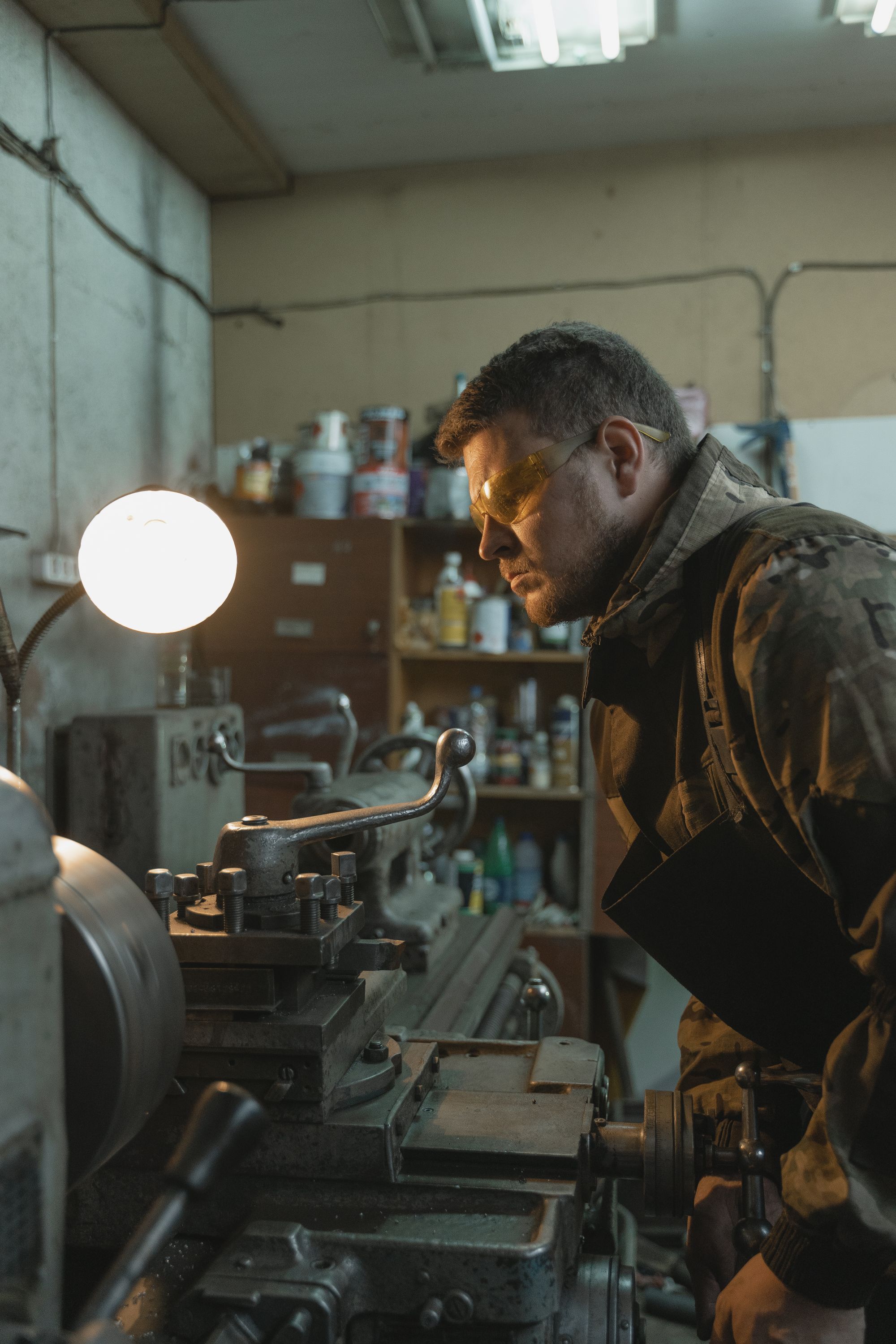
FDA registration vs. ISO 13485: what medical device buyers should ask a machine shop
FDA registration and ISO 13485 aren't the same thing. Here's what each means for a machine shop, and the questions to ask before you send a medical print.
Read the article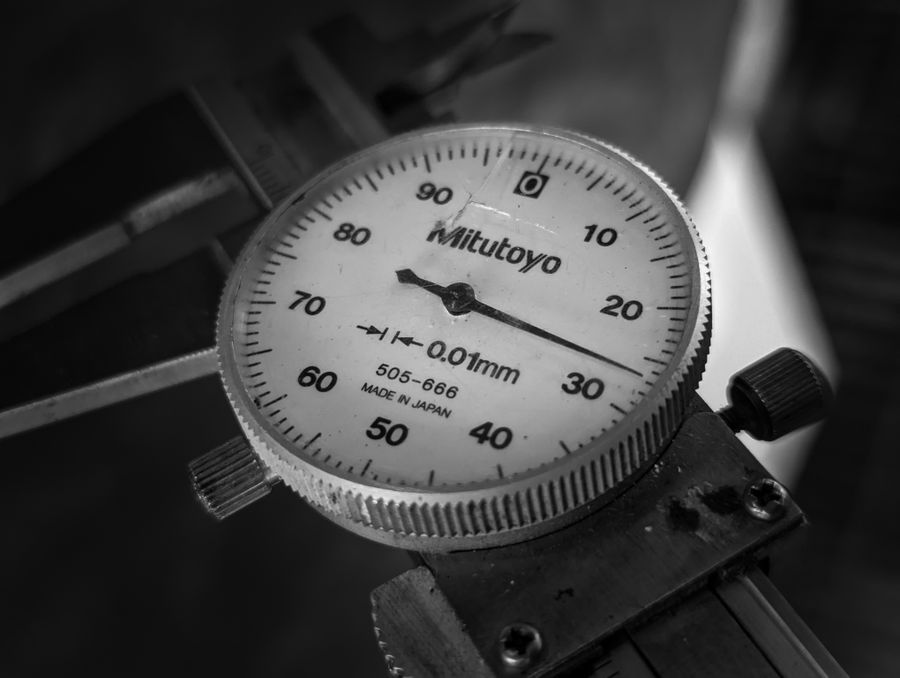
What does ±.0001" really cost? How tolerances drive machining price
Tighter tolerances multiply cost through slower cycles, extra operations, and inspection. Learn where tenths are worth it and where to open them up.
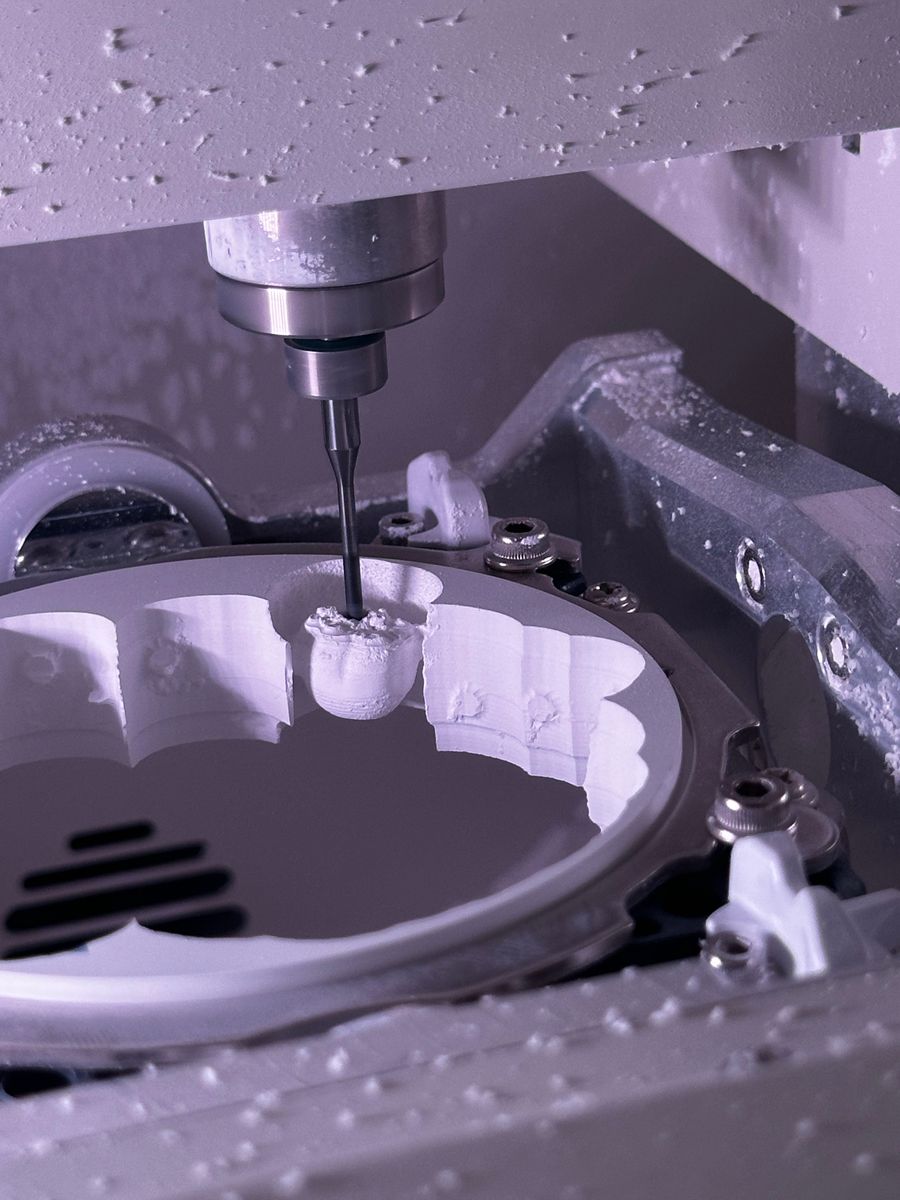
Titanium vs. 316L stainless for surgical instruments and medical parts
Titanium is lighter and highly biocompatible; 316L is tougher on the budget and easier to machine. How to choose for instruments, implants, and equipment.
Type II vs. Type III anodizing: which finish does your aluminum part need?
Type II anodize is thinner and decorative; Type III (hardcoat) is thick and wear resistant. How each affects dimensions, color, and cost.
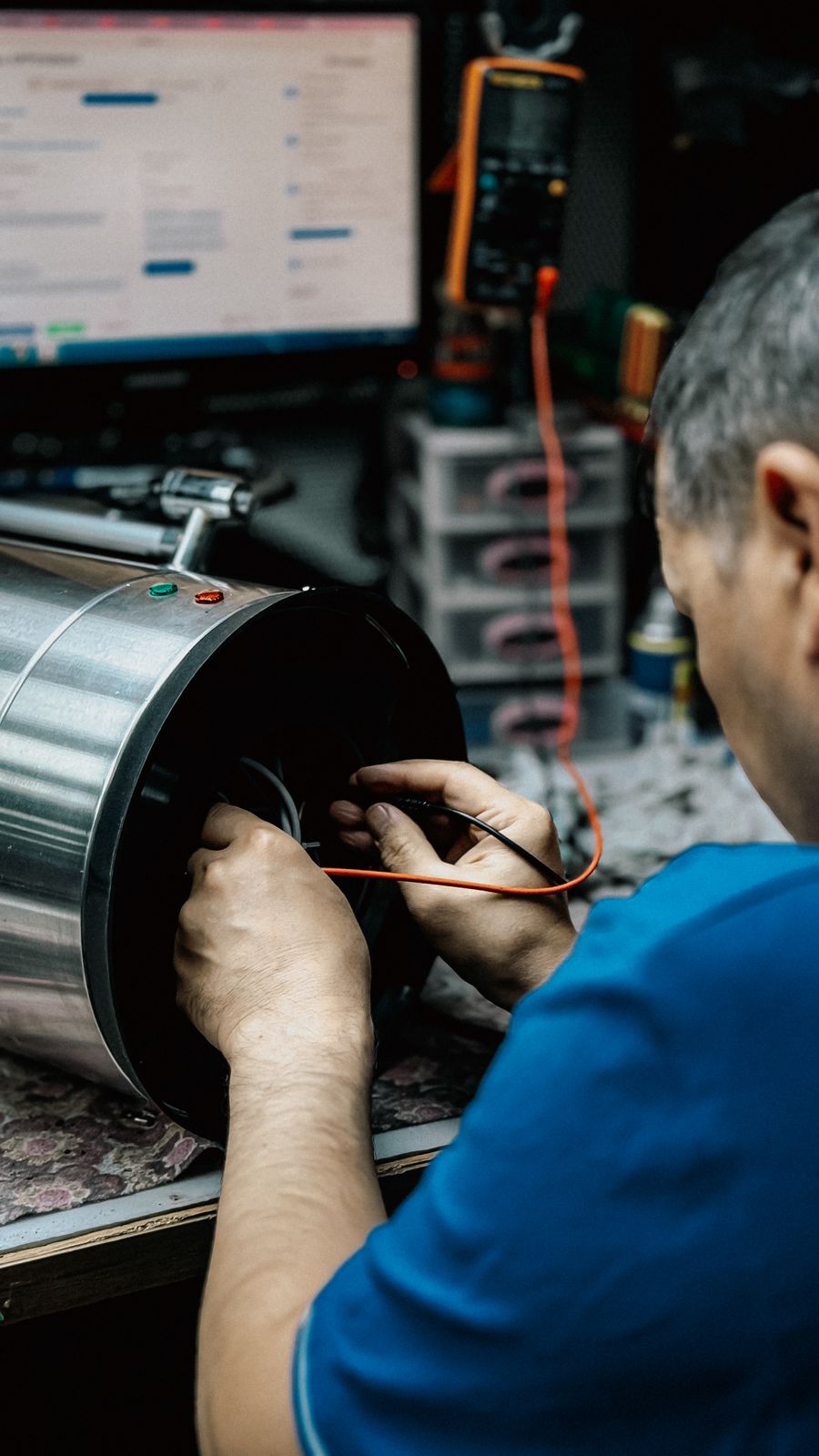
How to replace an obsolete machined part when there's no drawing
A worn or broken part with no print can still be remade. Here's how reverse engineering works, what to bring, and how to keep it from happening again.
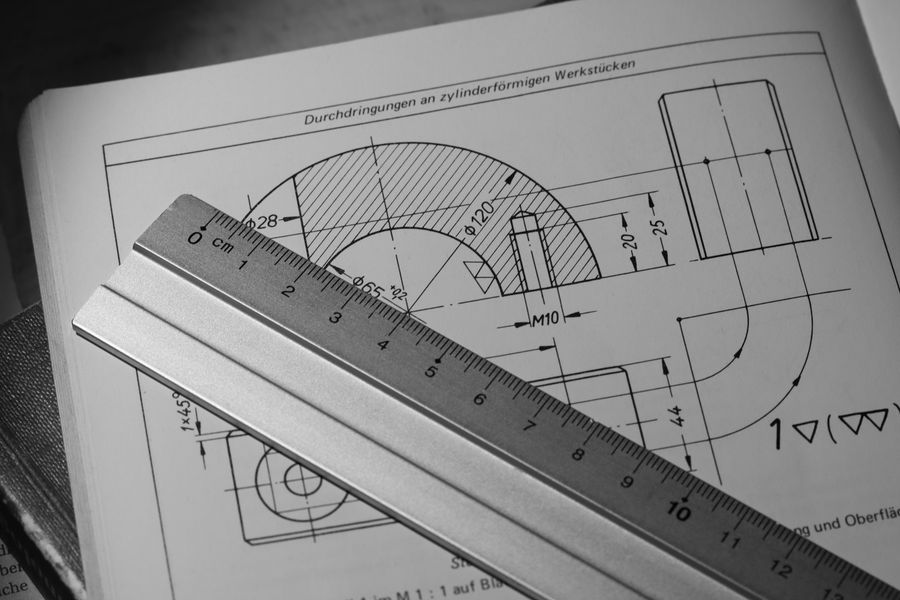
The machining RFQ checklist: what to send for a fast, accurate quote
The eight things that turn a machining quote around in days instead of weeks, and the missing details that cause back-and-forth.
Why South Florida OEMs are moving machining work closer to home
Shorter lead times, easier audits, and faster design loops: the case for a local precision machining supplier in Palm Beach, Broward, and Miami-Dade.
Looking for quick reference guides? See Resources and the FAQ.
Send us your print.
Get a real answer.
Our engineers review every drawing for manufacturability and return a detailed quote — typically within 48 hours. Confidential, with an NDA on request.
- NDA on request
- DFM feedback included
- Direct line to an engineer