Side-by-side
| Titanium (Ti-6Al-4V) | 316L stainless | |
|---|---|---|
| Density | ~4.4 g/cm³ (light) | ~8.0 g/cm³ |
| Strength-to-weight | Excellent | Good |
| Machinability | Harder: heat and work hardening | Easier, but gummy |
| Material cost | Higher | Lower |
| Typical uses | Implants, lightweight instruments | Reusable instruments, equipment, fittings |
When titanium wins
- Implants and parts in long-term tissue contact
- Handheld instruments where weight fatigues the user
- Parts that need high strength at low weight
When 316L wins
- Reusable instruments that are repeatedly sterilized
- Housings, brackets, and equipment components
- Programs where cost and lead time drive the decision
What changes on the shop floor
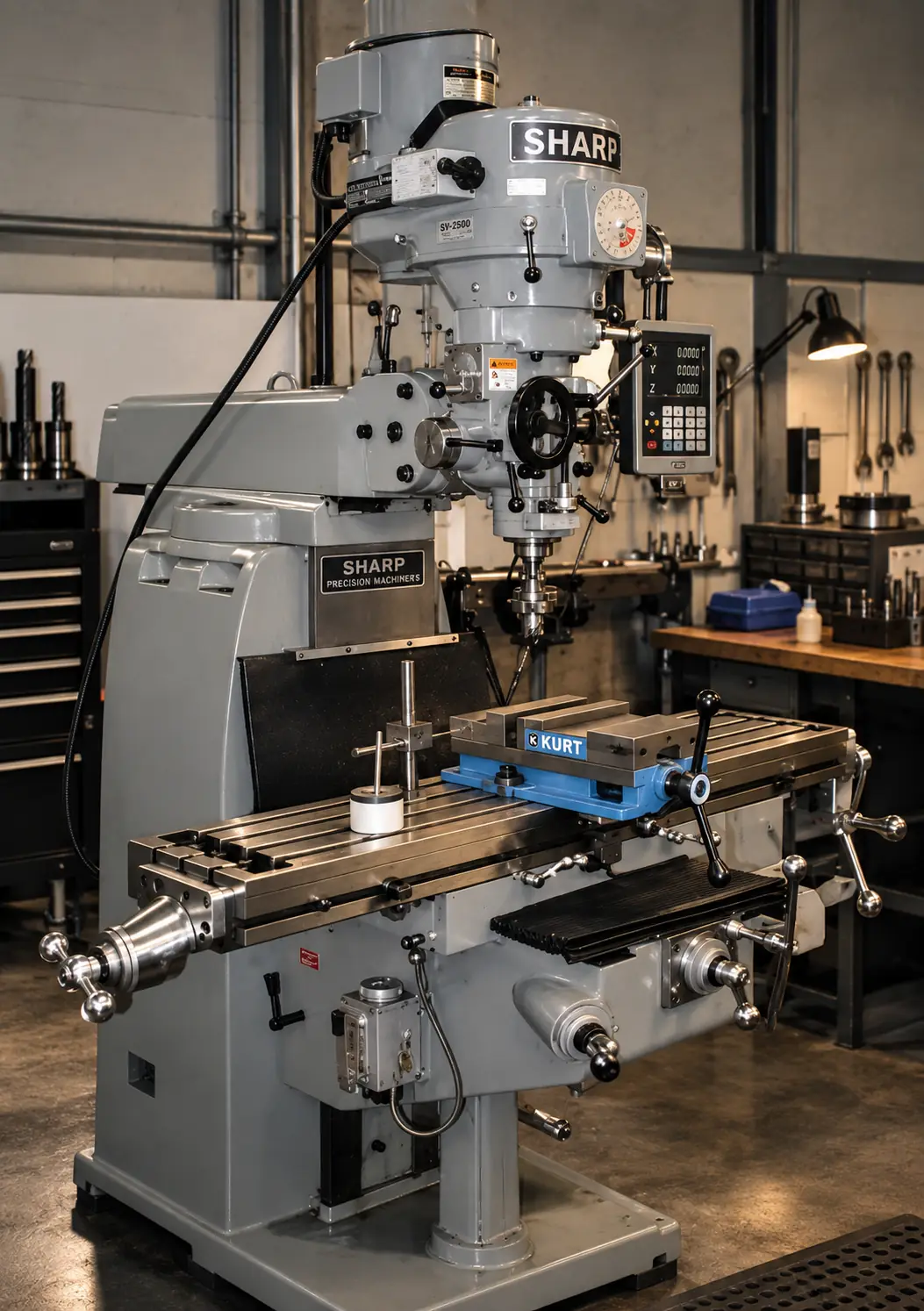
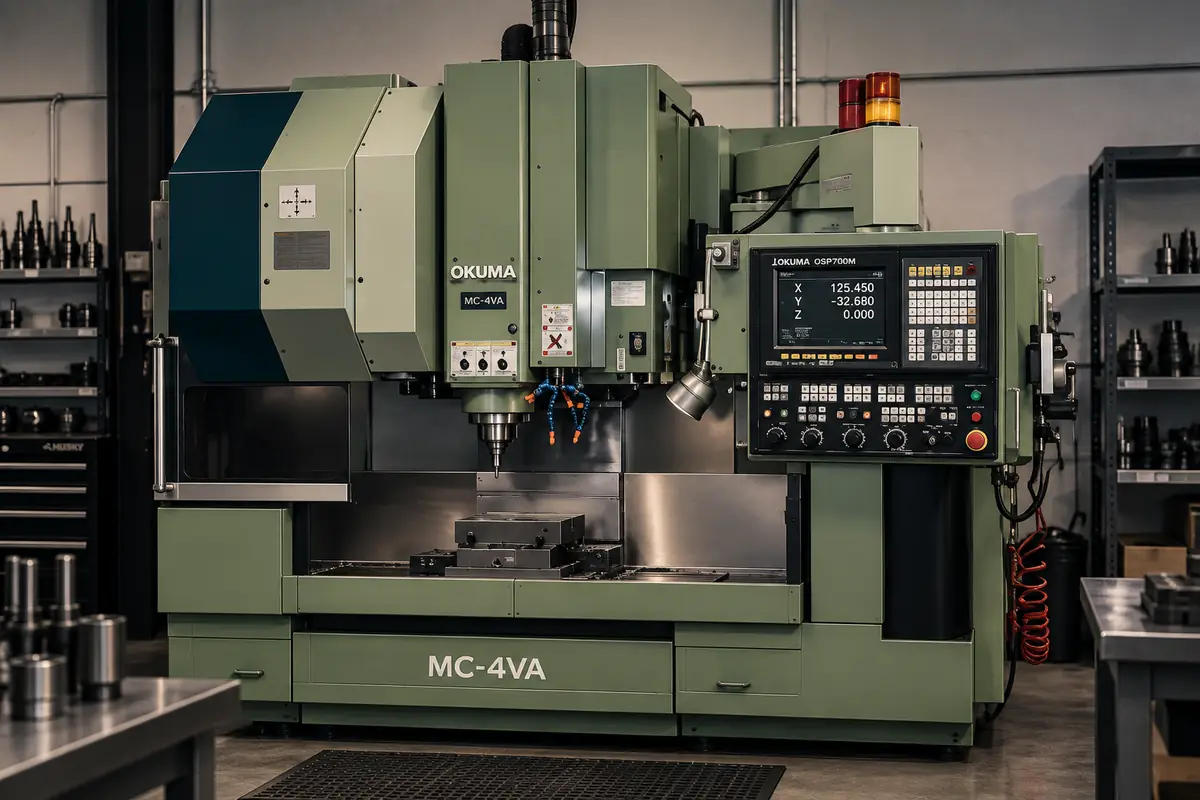
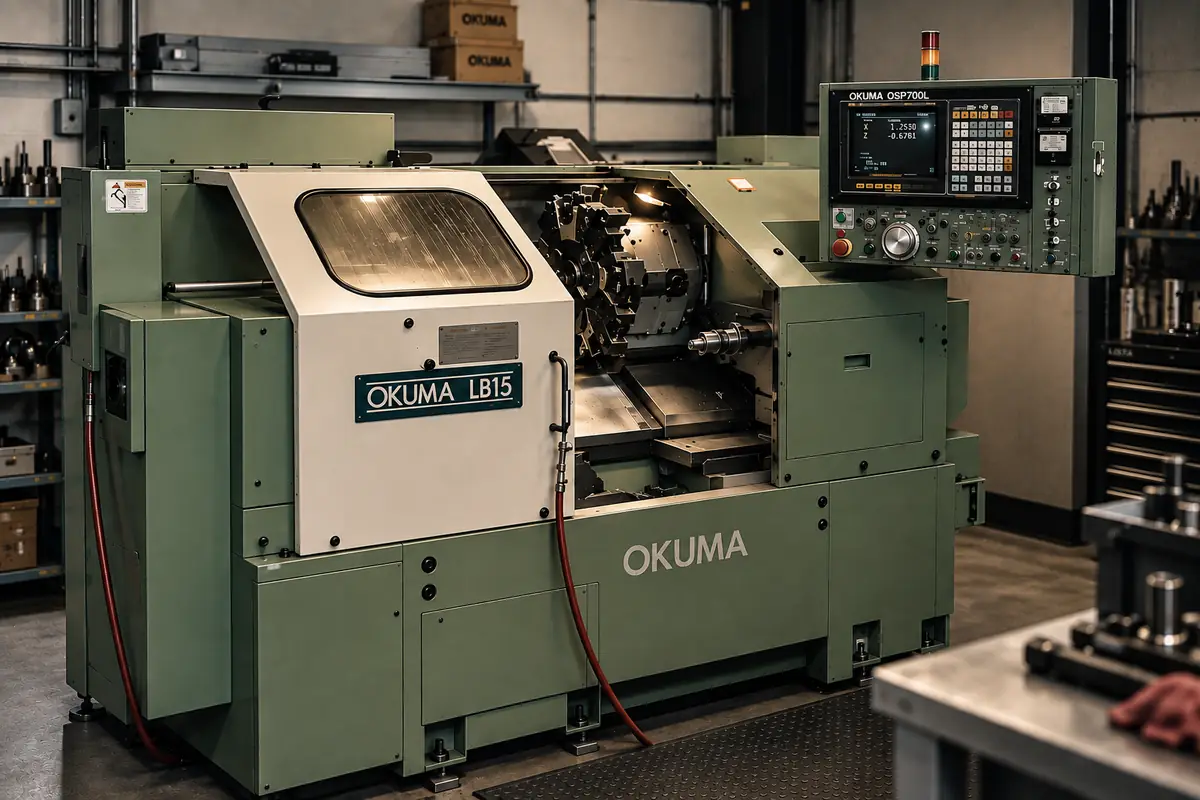
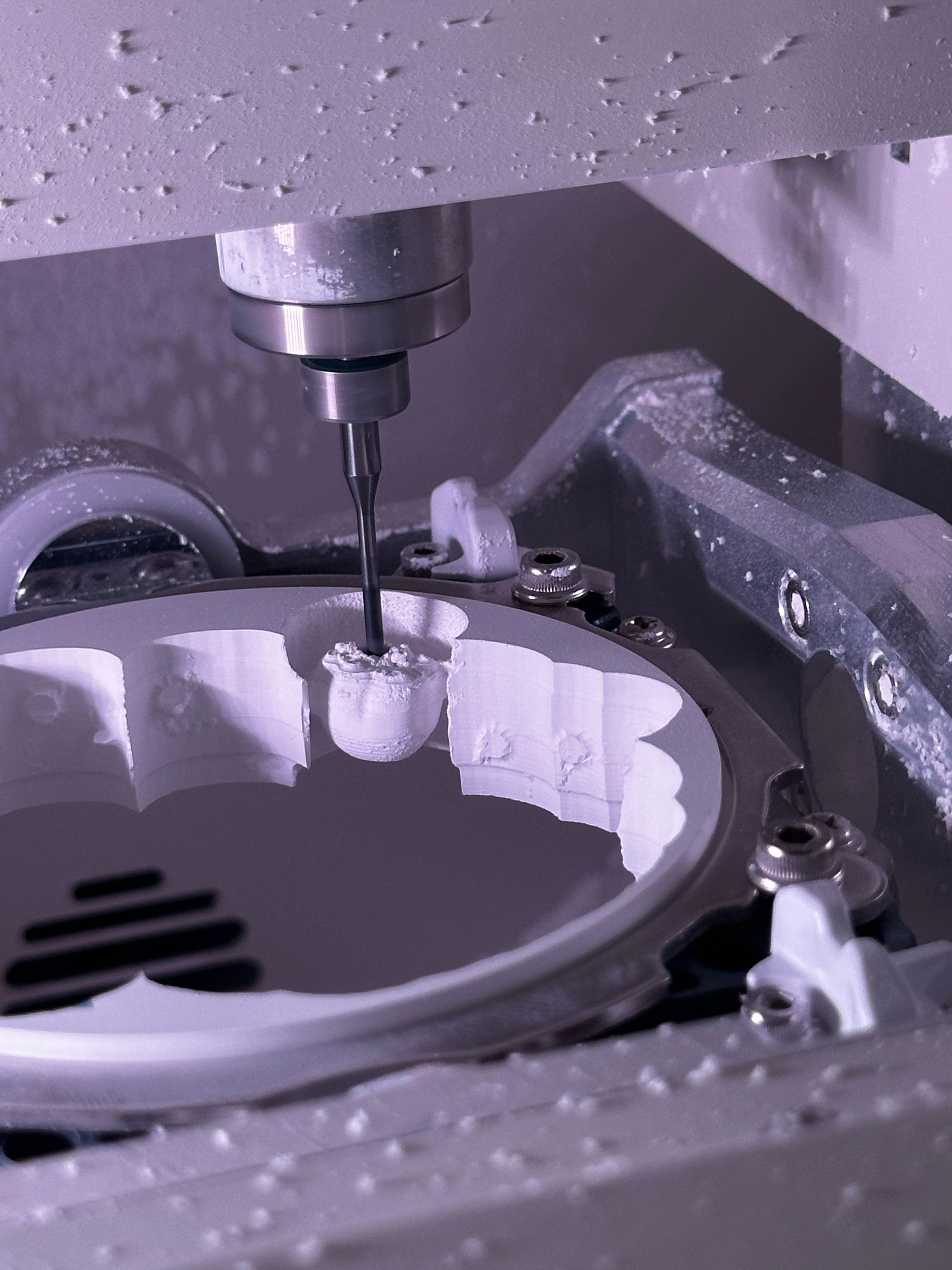
Titanium holds heat at the cutting edge and punishes dull tools, so it needs rigid setups, sharp tooling, and controlled speeds. 316L work-hardens and can smear, so it needs positive tooling and consistent chip loads. Both need clean handling and full material traceability for medical work.
Have a part like this? Send the print and an engineer will reply, typically within 48 hours.
Request a quote